Scientific Research Training for Students and Learners: Inspiring Ideas and Building Research Competencies
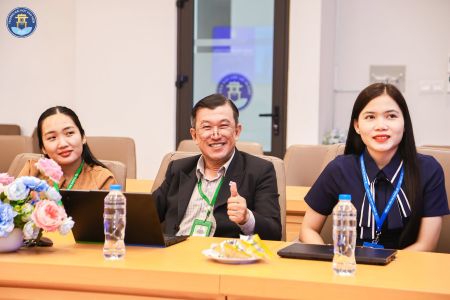
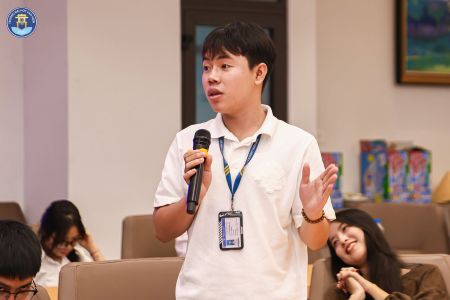
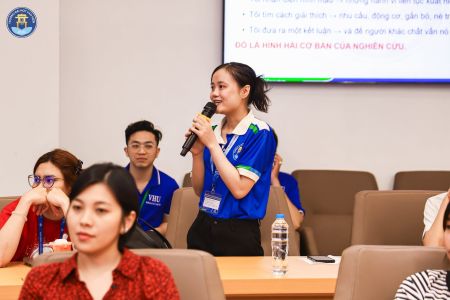
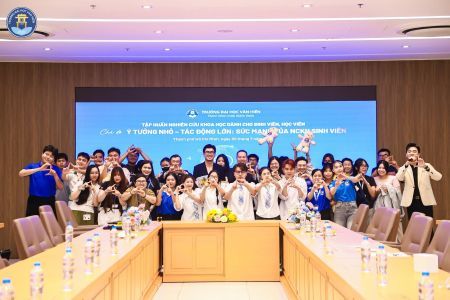
“Small Ideas – Big Impact: The Power of Student Scientific Research” was the theme of a scientific research training program for students and learners, designed to provide participants with essential knowledge, research approaches, and motivation to embark on their own research journeys.
Scientific research in a university setting does not necessarily have to begin with large or complex problems. Many meaningful studies originate from simple observations, personal experiences, and questions that students encounter throughout their academic studies and professional learning experiences.
From a Simple Question to a Research Idea
One of the most common challenges students face when beginning scientific research is not knowing where to start.
What kind of idea can be developed into a research topic? How can a meaningful research problem be identified?
How can an observation from real-life experience be transformed into a research question?
And how should an academic research paper be structured and developed?
Through training sessions, guiding questions, practical situations, and direct discussions with the speaker, students and learners had the opportunity to approach scientific research in a more accessible and practical way.
Rather than viewing research as a difficult academic task, participants were encouraged to see it as a process of inquiry, discovery, and problem-solving.
A simple question such as: “Why does this happen?” or “What would happen if we changed the way this is done?” can become the starting point for a meaningful research idea.
Scientific Research Begins with Real-World Practice
For students of the Faculty of Tourism, learning experiences and exposure to professional practice can provide a rich source of research ideas. A traveler's experience may lead to questions about service quality. Changes in customer behavior may open new research directions related to customer experience and behavioral intentions.
Emerging tourism models may raise important questions about destination development, sustainable tourism, or digital transformation.
An operational practice in a hotel, restaurant, or travel business may provide a basis for research into management, human resources, service quality, and business performance. What matters is the ability to observe carefully, ask meaningful questions, and approach real-world issues through systematic and scientific inquiry.
Real-world observation → Problem identification → Research questions → Idea development → Research design → Knowledge and practical value
This is the journey through which scientific research can contribute to both academic learning and professional development.
Developing Research Competencies — Developing Professional Competencies
Participating in scientific research is not simply about completing a research project or producing an academic paper.
More importantly, the research process enables students to develop a range of competencies that are valuable for both academic study and future careers, including:
- Critical and analytical thinking
- Problem identification and problem-solving skill.
- The ability to search for, evaluate, and use academic literature
- Research question and research objective formulation.
- Data collection and analysis skills
- Academic presentation and argumentation skills
- Academic writing and referencing skills
- Teamwork and research project management
These competencies are increasingly important in the Tourism and Services industry, where professionals are expected not only to perform operational tasks effectively but also to analyze data, identify problems, develop solutions, and continuously improve business and service operations.
In this sense, research is not separate from professional development.
It is an important way of developing the mindset and competencies required for evidence-based decision-making in the modern tourism industry.
The Faculty of Tourism — Fostering a Culture of Learning and Research
At a university, student scientific research is an important component of academic and professional development.
Through training programs, academic seminars, research competitions, student research projects, and guidance from lecturers and academic mentors, students have opportunities to progressively develop their understanding of research methodology and gain confidence in academic inquiry.
In particular, connecting classroom knowledge with real-world issues in the tourism industry creates opportunities for students to develop research ideas with meaningful practical applications.
It may begin with an issue observed in the classroom.
It may come from an experience during a field trip.
It may arise from a situation encountered in a hotel, restaurant, or travel company or it may emerge from a change in tourist behavior.
Every experience can become a question.
And every meaningful question can become the starting point of a research journey.
Start with Your Own Question
Scientific research does not require students to have a perfect research idea from the very beginning.
What matters is the willingness to ask questions, observe carefully, and seek answers through systematic and scientific methods.
Today, you may have nothing more than a simple question.
But when developed systematically, that question could become a research project, a scientific paper, a practical solution, or even a foundation for future academic and professional development.
So, start with something you genuinely care about.
Observe what is happening around you.
Ask questions about the issues you encounter in your studies and professional experiences.
And most importantly, turn your curiosity into a research mindset.
Small Ideas Can Create Big Impact
A research journey does not always begin with a groundbreaking idea.
Sometimes, it begins with a simple observation.
Sometimes, it begins with a question.
And sometimes, it begins with the courage to ask: “Why?”
A small idea, when developed through rigorous thinking and scientific methodology, can generate new knowledge and contribute meaningful value to society and the tourism industry.
One small idea today can create a meaningful impact tomorrow.
A new academic year. New questions. New perspectives. New ideas. A new research journey.
Inspiring critical thinking. Nurturing ideas. Developing research competencies. Connecting academic knowledge with the realities of the tourism industry.
Faculty of Tourism — Van Hien University
09:59:19 query returned open=false
10:01:25 query returned open=false
10:08:41 query returned open=false
10:15:12 dblclick "Faculty of Tourism — Van Hien University" sidepanelOpen=false autoUpdate=true isAdv=false
10:15:48 query returned open=false
10:16:31 dblclick "Scientific Research Training for Students and Learners: Inspiring Ideas and Building Research Competencies

"Small Ideas – Big Impact: The Power of Student Scientific Research" was the theme of a scientific research training program for students and learners, designed to provide participants with essential knowledge, research approaches, and motivation to embark on their own research journeys.
Scientific research in a university setting does not necessarily have to begin with large or complex problems. Many meaningful studies originate from simple observations, personal experiences, and questions that students encounter throughout their academic studies and professional learning experiences.
From a Simple Question to a Research Idea
One of the most common challenges students face when beginning scientific research is not knowing where to start.
What kind of idea can be developed into a research topic? How can a meaningful research problem be identified?
How can an observation from real-life experience be transformed into a research question?
And how should an academic research paper be structured and developed?
Through training sessions, guiding questions, practical situations, and direct discussions with the speaker, students and learners had the opportunity to approach scientific research in a more accessible and practical way.
Rather than viewing research as a difficult academic task, participants were encouraged to see it as a process of inquiry, discovery, and problem-solving.
A simple question such as: "Why does this happen?" or "What would happen if we changed the way this is done?" can become the starting point for a meaningful research idea.

Scientific Research Begins with Real-World Practice
For students of the Faculty of Tourism, learning experiences and exposure to professional practice can provide a rich source of research ideas. A traveler's experience may lead to questions about service quality. Changes in customer behavior may open new research directions related to customer experience and behavioral intentions.
Emerging tourism models may raise important questions about destination development, sustainable tourism, or digital transformation.
An operational practice in a hotel, restaurant, or travel business may provide a basis for research into management, human resources, service quality, and business performance. What matters is the ability to observe carefully, ask meaningful questions, and approach real-world issues through systematic and scientific inquiry.
Real-world observation → Problem identification → Research questions → Idea development → Research design → Knowledge and practical value
This is the journey through which scientific research can contribute to both academic learning and professional development.
Developing Research Competencies — Developing Professional Competencies
Participating in scientific research is not simply about completing a research project or producing an academic paper.
More importantly, the research process enables students to develop a range of competencies that are valuable for both academic study and future careers, including:
- Critical and analytical thinking
- Problem identification and problem-solving skill.
- The ability to search for, evaluate, and use academic literature
- Research question and research objective formulation.
- Data collection and analysis skills
- Academic presentation and argumentation skills
- Academic writing and referencing skills
- Teamwork and research project management

These competencies are increasingly important in the Tourism and Services industry, where professionals are expected not only to perform operational tasks effectively but also to analyze data, identify problems, develop solutions, and continuously improve business and service operations.
In this sense, research is not separate from professional development.
It is an important way of developing the mindset and competencies required for evidence-based decision-making in the modern tourism industry." sidepanelOpen=false autoUpdate=true isAdv=true
10:16:52 dblclick "The Faculty of Tourism — Fostering a Culture of Learning and Research
At a university, student scientific research is an important component of academic and professional development.
Through training programs, academic seminars, research competitions, student research projects, and guidance from lecturers and academic mentors, students have opportunities to progressively develop their understanding of research methodology and gain confidence in academic inquiry.
In particular, connecting classroom knowledge with real-world issues in the tourism industry creates opportunities for students to develop research ideas with meaningful practical applications.
It may begin with an issue observed in the classroom.
It may come from an experience during a field trip.
It may arise from a situation encountered in a hotel, restaurant, or travel company or it may emerge from a change in tourist behavior.
Every experience can become a question.
And every meaningful question can become the starting point of a research journey.
Start with Your Own Question
Scientific research does not require students to have a perfect research idea from the very beginning.
What matters is the willingness to ask questions, observe carefully, and seek answers through systematic and scientific methods.
Today, you may have nothing more than a simple question.
But when developed systematically, that question could become a research project, a scientific paper, a practical solution, or even a foundation for future academic and professional development.
So, start with something you genuinely care about.
Observe what is happening around you.
Ask questions about the issues you encounter in your studies and professional experiences.
And most importantly, turn your curiosity into a research mindset.
Small Ideas Can Create Big Impact
A research journey does not always begin with a groundbreaking idea.
Sometimes, it begins with a simple observation.
Sometimes, it begins with a question.
And sometimes, it begins with the courage to ask: "Why?"
A small idea, when developed through rigorous thinking and scientific methodology, can generate new knowledge and contribute meaningful value to society and the tourism industry.
One small idea today can create a meaningful impact tomorrow.
A new academic year. New questions. New perspectives. New ideas. A new research journey.
Inspiring critical thinking. Nurturing ideas. Developing research competencies. Connecting academic knowledge with the realities of the tourism industry.

Faculty of Tourism — Van Hien University" sidepanelOpen=false autoUpdate=true isAdv=true
10:19:40 query returned open=false